I Spy: A Guide to the Medical Equipment You May See in the Hospital’s Emergency Department
This guide will show you some of the most common machines and tools you might see in the ED—and explain what they do. Knowing what to expect can make the experience feel a lot less scary.
I Spy: A Guide to the Medical Equipment You May See in the Hospital’s Emergency Department
This guide will show you some of the most common machines and tools you might see in the ED—and explain what they do. Knowing what to expect can make the experience feel a lot less scary.
Checks your temperature to see if you have a fever. Some go in your ear or on your forehead. Either way, they work super fast!
Blood Pressure Cuff
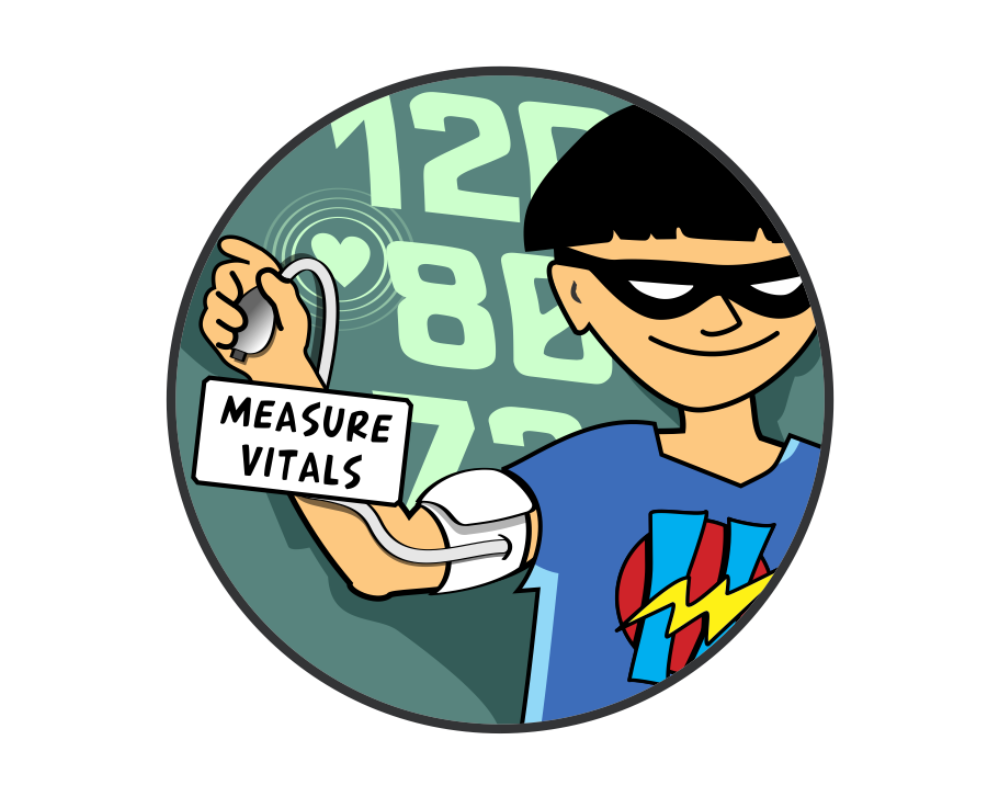
This soft wrap hugs your arm and gently squeezes to see how hard your heart is working. It might feel a little tight, but it doesn’t hurt.
Stethoscope
This is the tool doctors and nurses use to listen to your heartbeat and breathing.
Pulse Oximeter
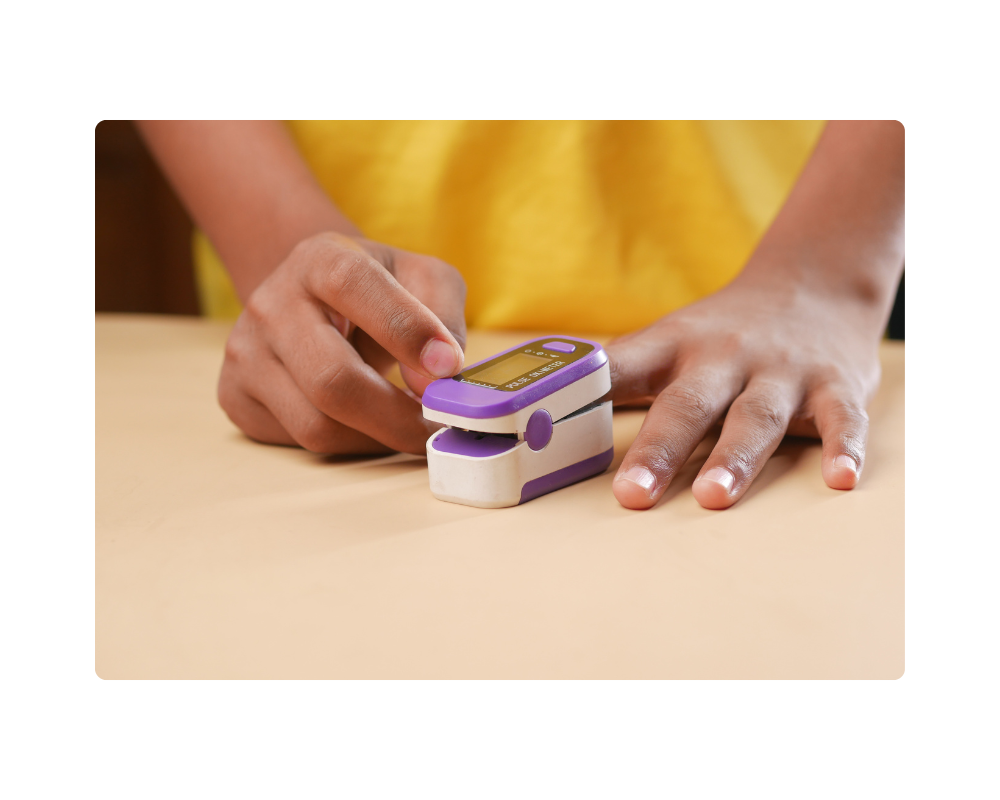
This small clip gently covers your finger to check how much oxygen is in your blood. It doesn’t hurt at all.
IV Pole and Pump
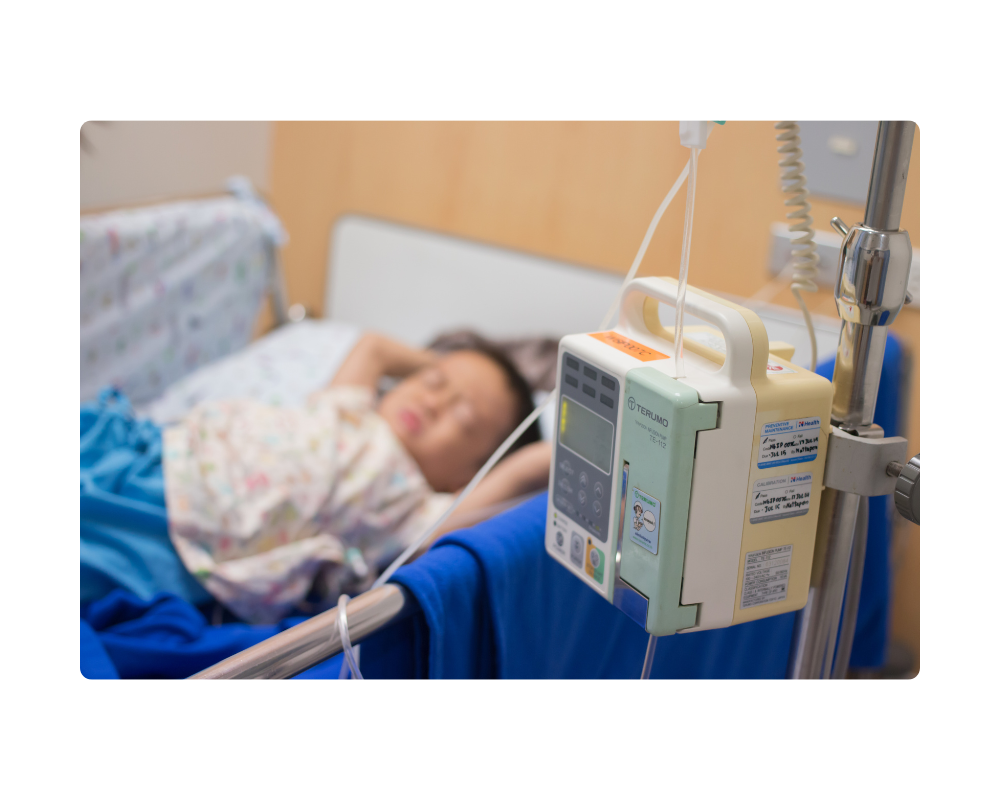
If the doctor decides that you need medicine or fluids to help you feel better, they might insert a tiny tube called an IV (Carolyn: Link to IV) to get the medicine into your body. The tall pole holds the medicine bag. Tubes connect the medicine to the pump, which delivers the right amount of medicine to your body through your IV.
Monitor
This screen shows how your heart is beating, how you’re breathing, and other information that the doctors and nurses need to see to know how your body is doing.
X-Ray Machine
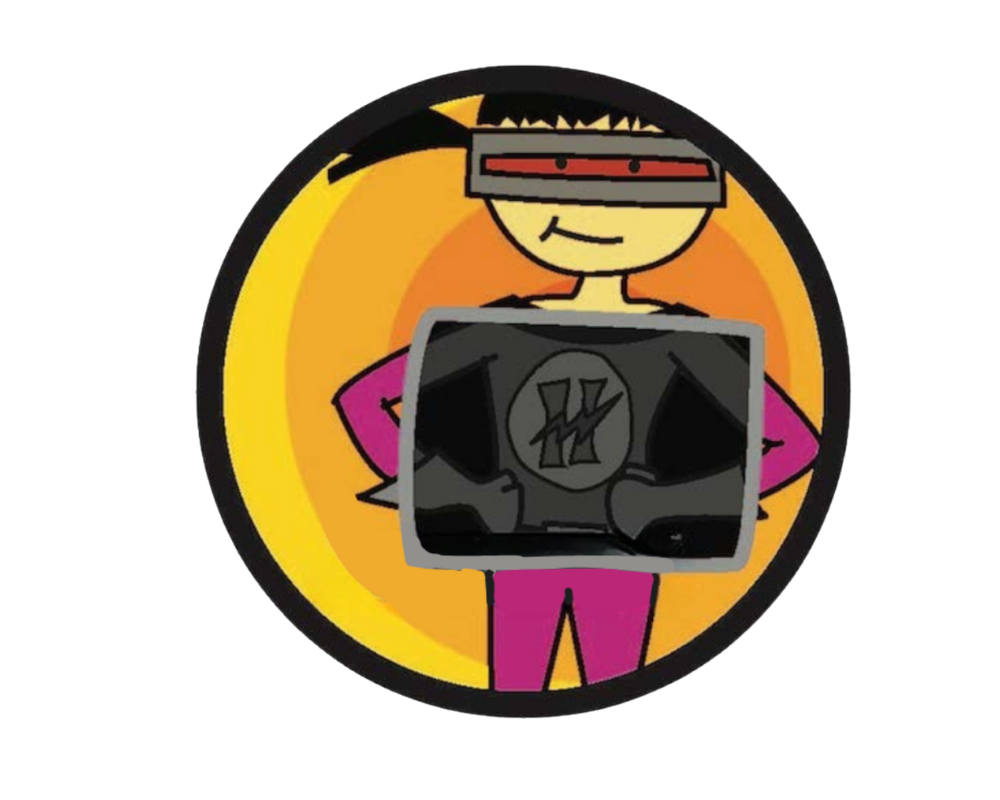
Takes special pictures of your bones or inside your body. It’s big and sometimes makes a clicking sound, but it doesn’t touch you or hurt you.
Oxygen Mask or Tubes
Helps you breathe better by giving you extra oxygen through a soft mask or tiny tubes gently put in your nose.
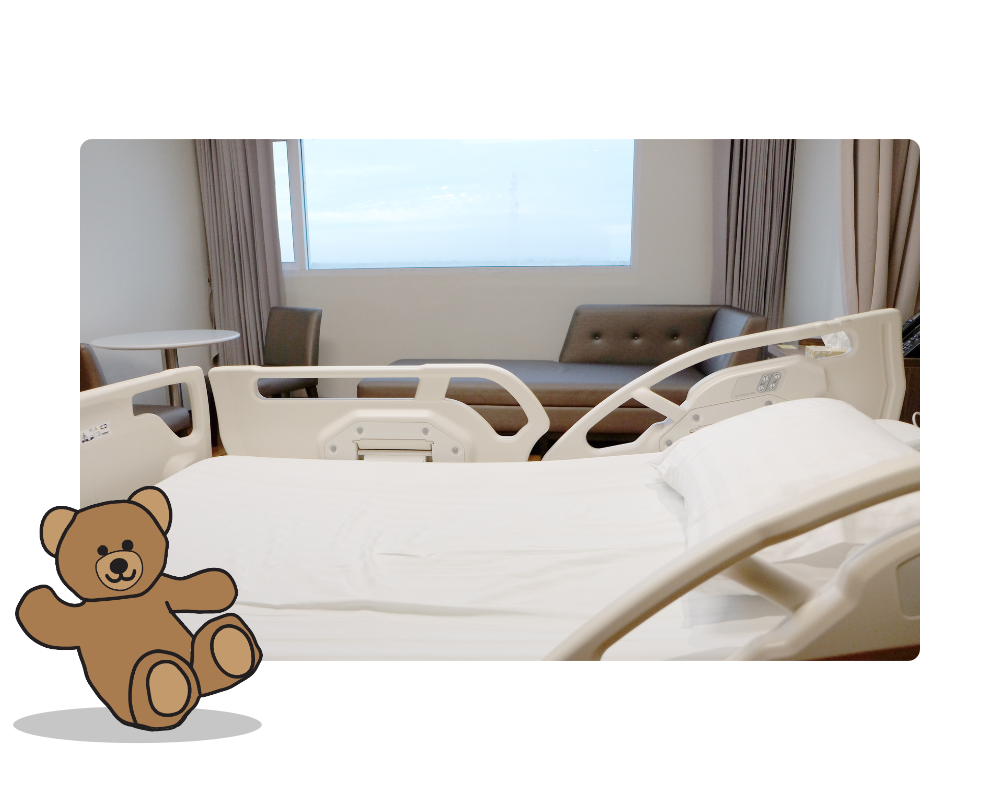
Hospital Bed
Hospital beds can move up and down or help you sit up with the push of a button. They have rails on the sides to keep you safe.
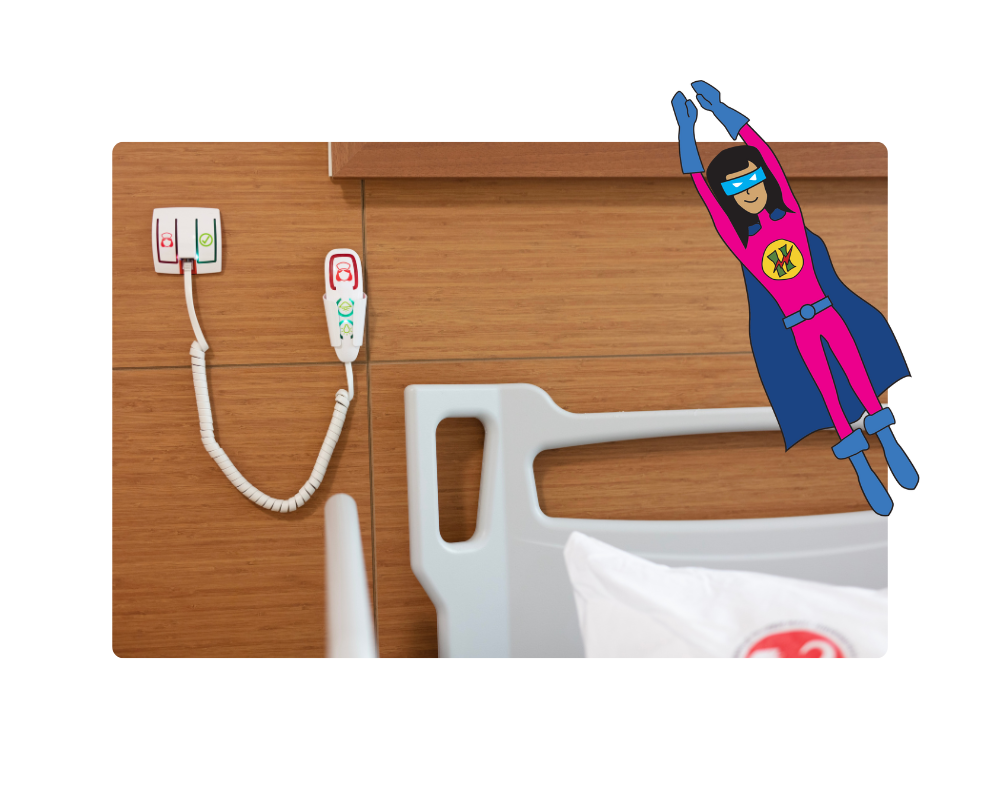
Lights and Call Button
Big lights help doctors see better when looking at your body. The call button lets you or your parent or your caregiver ask for help if you need something.
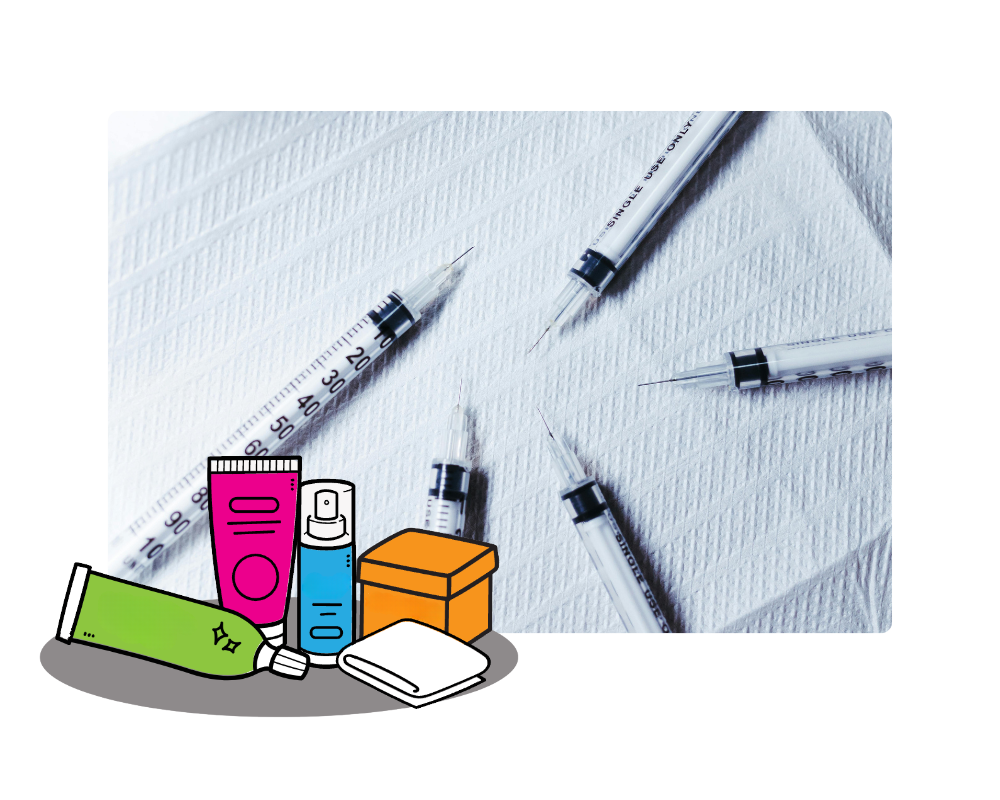
Needle and Syringe
Sometimes you need a shot to help you get better. The syringe holds the medicine. It’s just a quick poke and is over in just a few seconds. Check out our Vaccination or IV Placement resource to know what to expect, how to prepare your child, and tips for supporting your child during their vaccination.
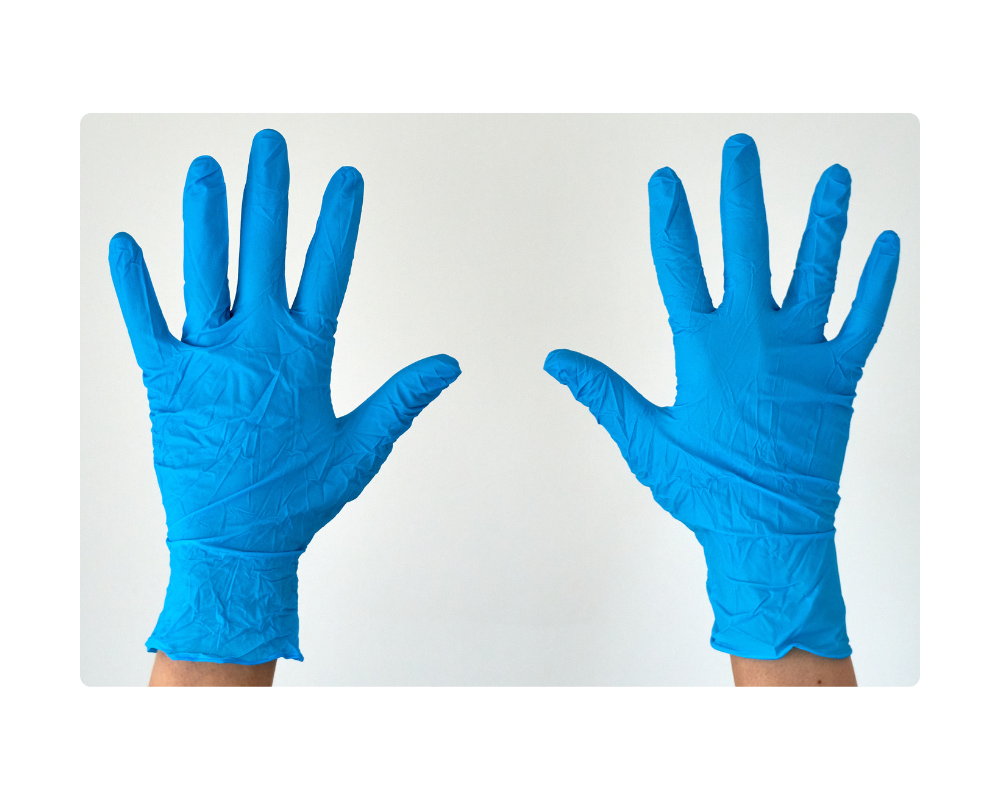
Medical Gowns, Gloves, and Masks
These help keep everyone clean and safe from germs. Doctors and nurses wear them to protect you and themselves so they can stay healthy and keep taking care of you.
The information on Hope for Henry’s Healthcare Hub is provided for educational and informational purposes only and does not constitute providing medical advice or professional services.




 EN
EN  ES
ES