When your child is hospitalized and placed under isolation precautions, it’s to protect them, hospital staff, and others from the spread of infectious diseases. But being isolated understandably can be lonely, confusing, or even make your child feel agitated or angry. This guide explains the four main types of isolation: contact, droplet, airborne, and enteric including what each one means and how you can safely support your child.


You just found out your child needs to go on isolation precautions. Here are some questions to ask the care team.


Contact insolation is required when your child has an infection that can be spread by touching, or because your child is at high risk of contracting an infection through direct contact with others or contaminated surfaces. These infections include MRSA (Methicillin-resistant Staphylococcus aureus), an infection caused by a type of staph bacteria; C. diff (Clostridioides difficile), a type of bacteria that can cause an infection in the colon; and RSV (Respiratory syncytial virus), a respiratory infection.


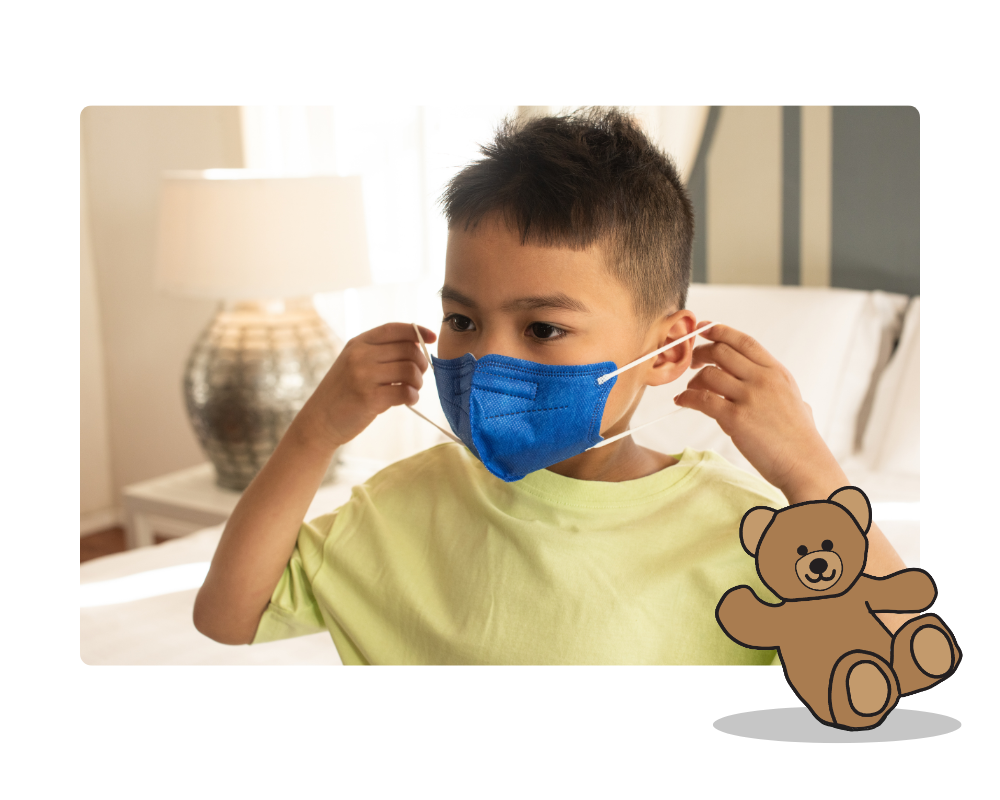
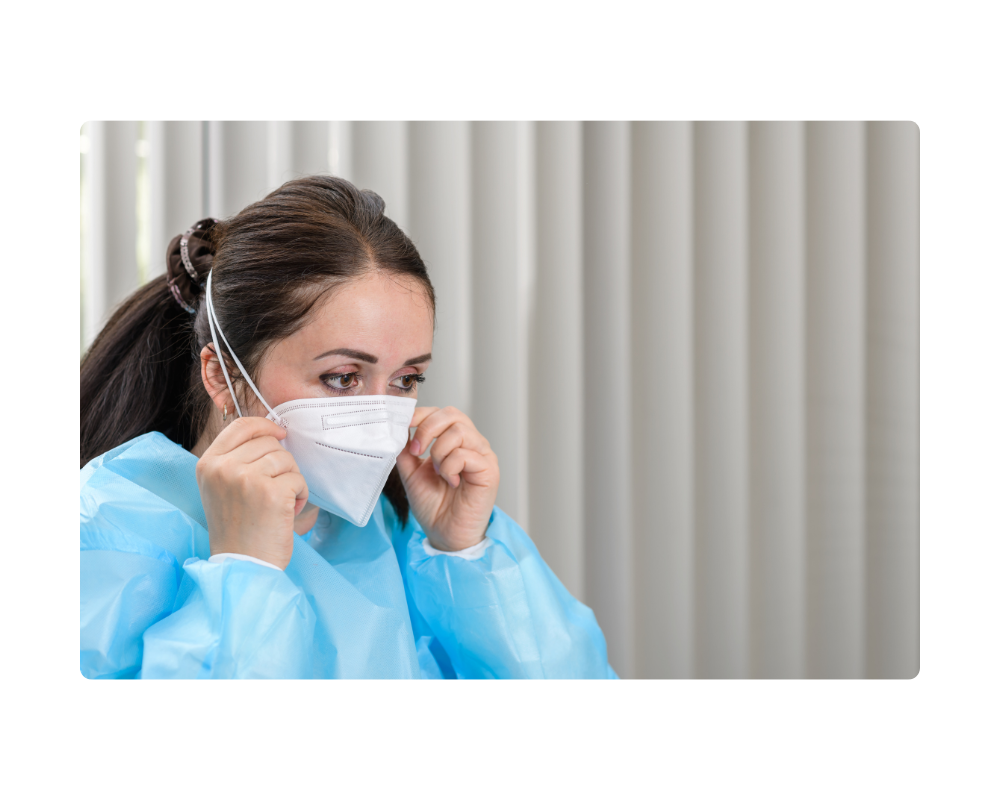
If you’re told your child has an illness (like the flu, pertussis/whooping cough, or COVID-19) spread by respiratory droplets through coughs, sneezes, or even talking, they will be put on droplet isolation.


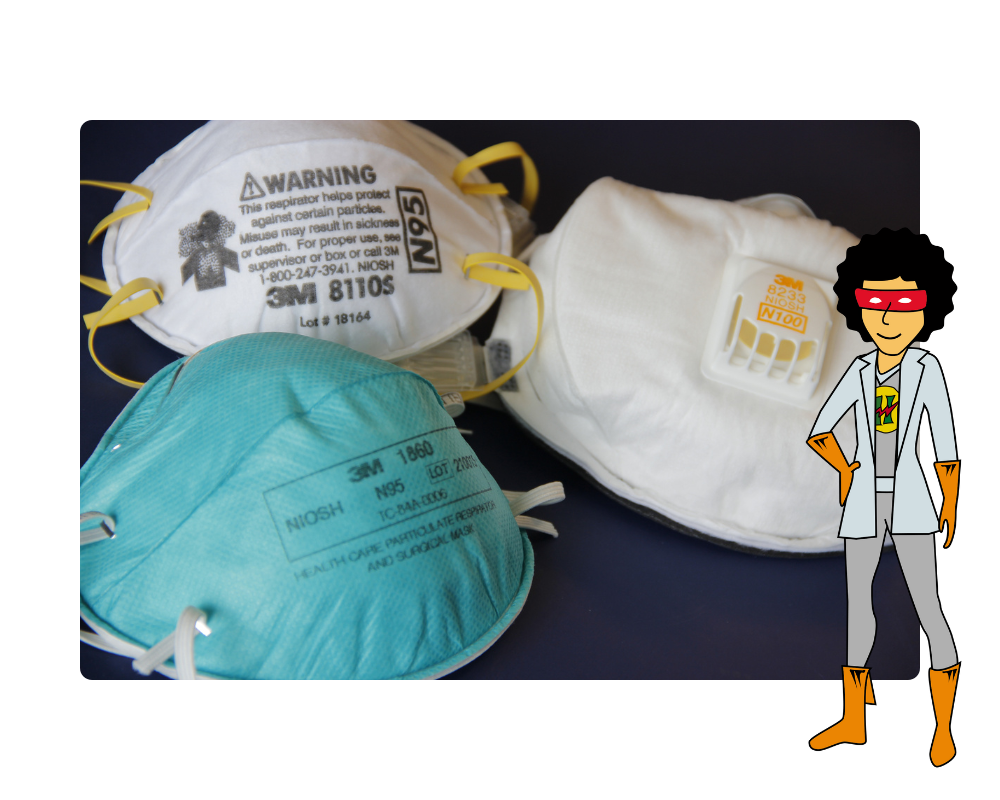
Diseases that spread through tiny airborne particles that stay in the air for longer periods and travel further, potentially across rooms or buildings (e.g., tuberculosis, measles, chickenpox, and COVID-19, at times) require additional precautions.


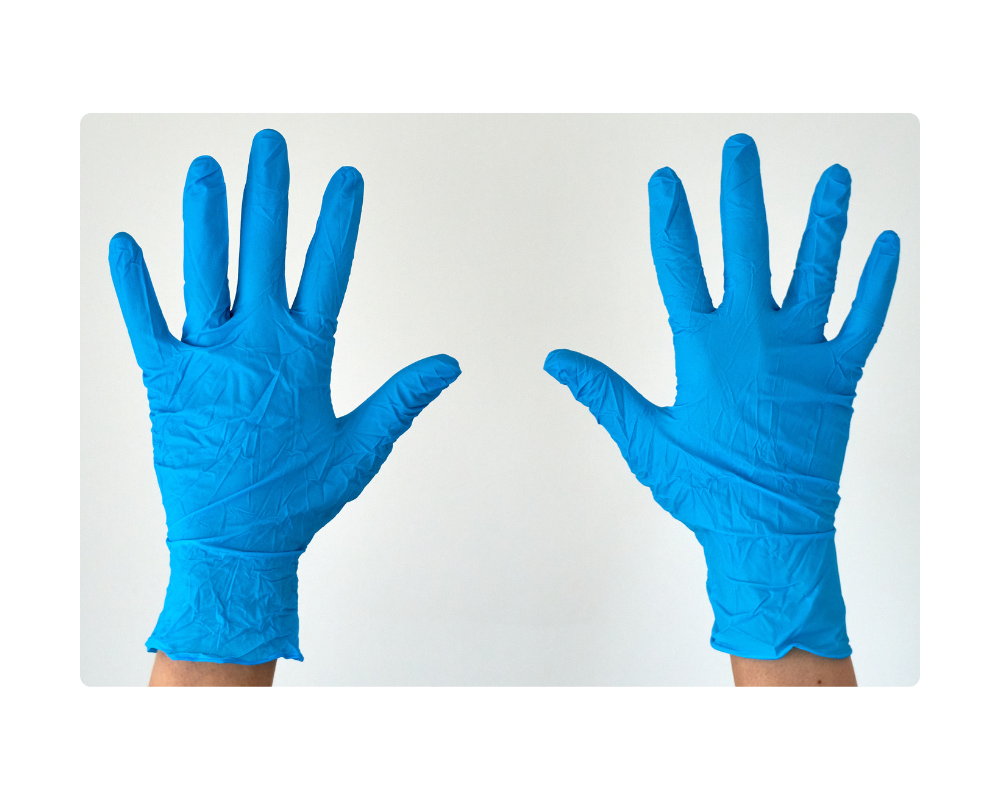
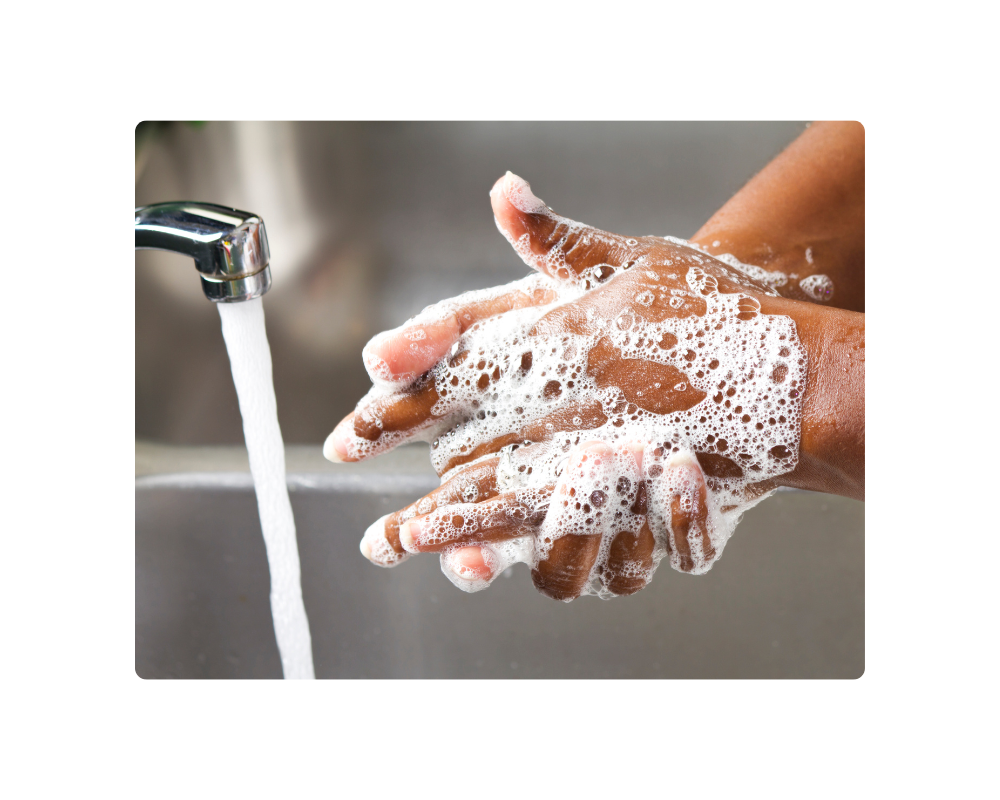
Enteric isolation is a way to stop the spread of germs from poop. People must wear gloves and wash hands carefully to keep everyone safe from getting sick.


Though isolation can be challenging, it is temporary and critical for everyone’s safety. Your presence and support make a big difference in your child’s healing. Don’t hesitate to ask questions or request emotional support resources from hospital staff.
The information on Hope for Henry’s Healthcare Hub is provided for educational and informational purposes only and does not constitute providing medical advice or professional services.